Lorem ipsum dolor sit amet consectetur adipisicing elit. Minima velit numquam assumenda nulla.
Inclusive growth is a vital development model that ensures all members of society can participate in and benefit from economic progress. In Ethiopia, achieving sustainable development hinges on the full participation of Persons with Disabilities (PWD) and women, two groups whose historical marginalization presents a significant barrier to national prosperity. This essay argues that empowering these communities is not just a moral obligation but an economic imperative for the nation's future.
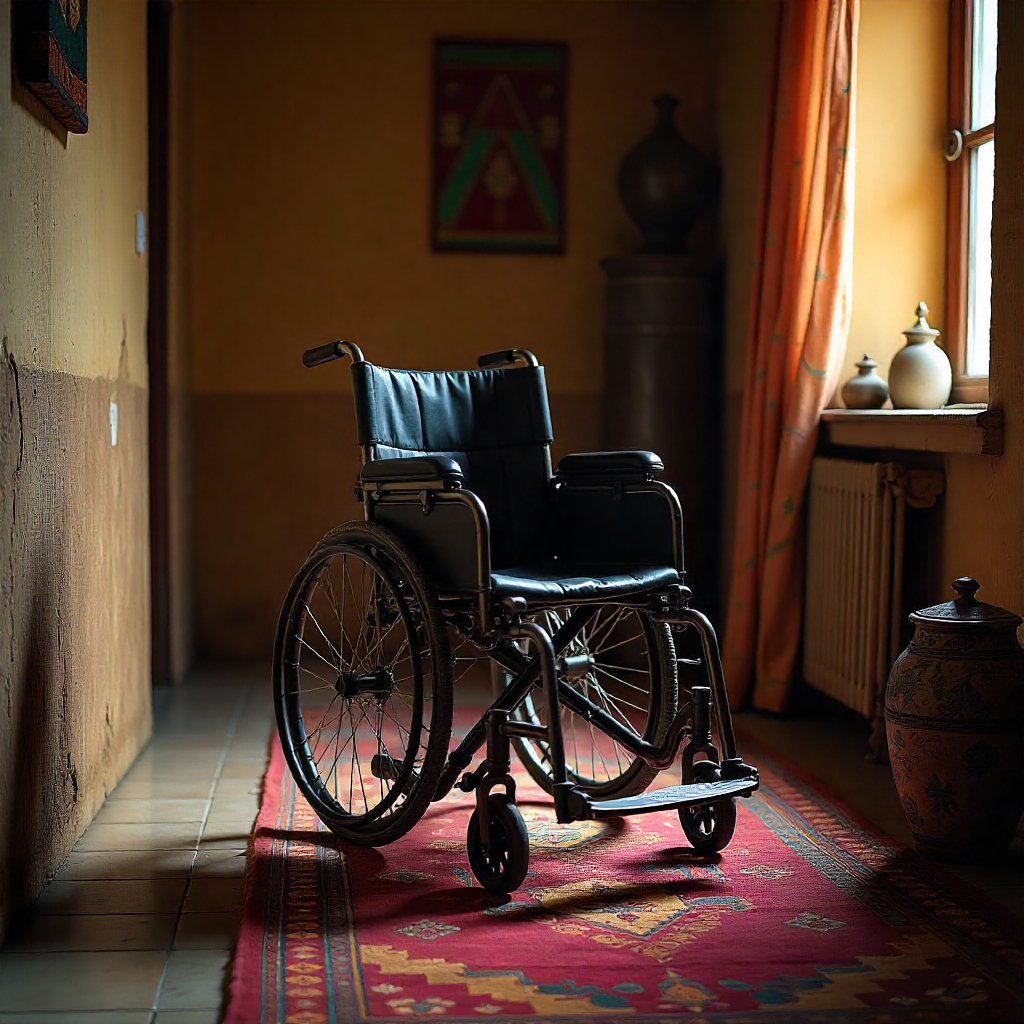
The exclusion of PWD and women from economic life represents a major loss of human capital. An estimated 17.6% of Ethiopians live with a disability, and a vast majority are trapped in poverty due to physical and attitudinal barriers. Similarly, women face significant challenges, including gender-based violence, social norms, and the burden of unpaid care work, which limit their economic roles.
By failing to integrate these groups, Ethiopia's economy cannot reach its full potential, perpetuating poverty and inequality.
“There can be no sustainable development without the inclusion of women and persons with disabilities.” - UNDP
Both PWD and women face unique and intersecting challenges:
The Ethiopian government and its international partners have initiated policies to promote inclusion. The Ministry of Labour and Social Affairs (MoLSA) and organizations like the Ethiopian Center for Disability and Development (ECDD) work on vocational rehabilitation and skill development guidelines. National development plans and international support from the World Bank and African Development Bank also emphasize inclusive growth.
However, policy must be matched by effective implementation at the grassroots level, which requires:
Successfully including PWD and women would yield profound benefits.
The empowerment of PWD and women is a fundamental prerequisite for inclusive growth in Ethiopia. By prioritizing accessibility, economic support, and attitudinal change, the nation can unlock its full human capital potential. The path to a just, equitable, and prosperous Ethiopia lies in ensuring that no one is left behind.

Your support directly fuels our services, providing educational support, economic opportunities, and access to healthcare and technology for women and people with disabilities.